
Although there are many differences between the faces of different people, their noses fall into one of the two categories of fleshy noses and bony noses. In these years, the low complications of all types of nose surgery have caused many people to have nose surgery to improve their shape, improve their appearance, and solve breathing problems. But the question is, is there any difference in their surgery?
In the following, we will introduce you to the difference between these two types of nose and their surgery. Stay with us until the end of this article from the Mahziar educational magazine so that we can introduce you to the features of fleshy and bony noses.
Bone nose surgery
Cartilage or strong nasal bone are the main symptoms of bony noses, which cause the appearance of a hump or bump on the nose. Bone rhinoplasty is also considered one of the main types of nose surgery in which defects such as hump and long nose or bad shape of the nasal bone are corrected.
Types of bone nose surgery
Two methods are used in bony nose surgery. In the following, we will explain to you the types of bone nose surgery.
open method
It is a method by which the surgeon can make changes in the anatomy of the patient’s nose by cutting the blades and nose blades. In fact, with changes in the cartilage and strong bones of the nose, its structure undergoes clear changes.
closed method
Another method for rhinoplasty is bone surgery, which is performed without cutting the nasal septum. This type of surgery does not create any wound in the nasal septum and the nose heals faster.
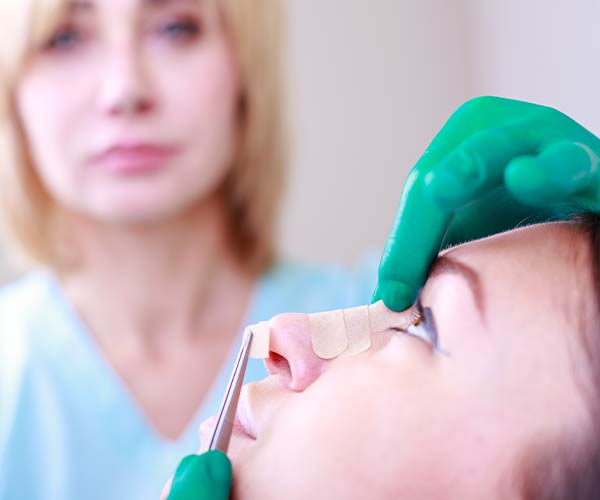
Nose surgery
Thick skin, large sebaceous glands and open pores in the skin are signs of a fleshy nose. Unlike the bony nose, there is weak cartilage in the fleshy nose. In the meat nose operation, the surgeon removes the cartilage tissue from one part of the nose and adds it to the other part. Then, in the next step, he performs the reduction of the nose blades. If the nose does not have cartilage, the surgeon uses ear cartilage, ribs or artificial cartilage.
The best method of nose surgery
The method of reconstructive nose surgery is the priority of many surgeons. Because by this means they can perform cartilage transplant or grafting more accurately and easily. This method makes shaping the tip and wings of the nose better. It should be noted that the surgeon avoids removing a lot of cartilage and bone in all types of nose surgery, except in the area of the hump of the nose. In this way, the possibility of irreversible complications in the patient is reduced.
The difference between fleshy and bony nasal skin
The difference between fleshy and bony noses is in various features, including the skin between them. Meaty noses have thick and oily skin, but bony noses have thinner skin. As a result, more time is needed for skin contraction during nose surgery. At the same time, the thickness of the skin of fleshy noses makes it more difficult to mold the noses.
The difference in the cost of meat and bone nose surgery
Cost is an important factor for nose surgery applicants. Factors such as the experience of the surgeon and the facilities of the clinic for nose surgery have a significant effect on the cost of surgery. But the difference between fleshy and bony nose has an effect on the amount of money paid by the patient. In such a way, the cost of meat nose surgery will be more than the bone type.
Characteristics of fleshy noses
What causes the difference between the surgical process of fleshy and bony noses is the difference in their characteristics. Therefore, it is better to know the characteristics of both types of nose.
The fleshy nose has a weak bone-cartilaginous structure, numerous sebaceous glands and thick skin. The skin of fleshy noses is divided into two separate types.
Noses that have thick skin and no fat layers.
There are noses whose skin is not very thick, but there are thick layers of fat under the skin.
Also, the skin of fleshy noses is thick, greasy and with numerous pores. The tip of the nose is wide, but there is no bone under it, and the nostrils are long, wide and thick.
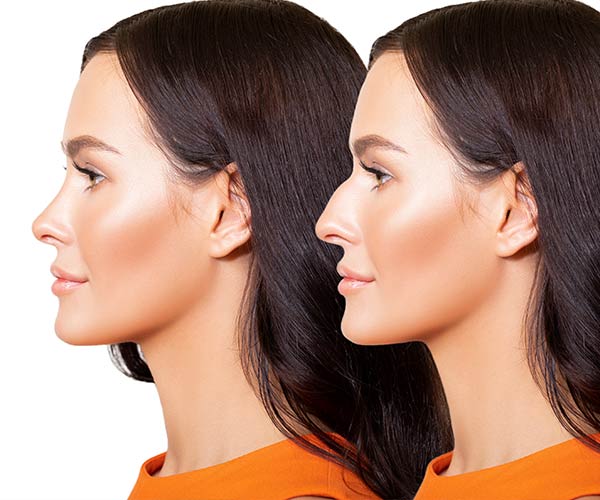
Bony nose feature
Bony noses have a pyramidal structure and thin skin. The solid cartilage and bone of bony noses appear as humps or protrusions. In addition to hereditary factors, injuries to the nose cause non-standard growth of the cartilaginous or bony part of the nose. As a result, a crooked nose overshadows a person’s face.
Hereditary factors and various structural defects have caused the difference between rhinoplasty and other rhinoplasty methods. So that people with bony noses can fix the following defects in certain ways.
- nose deviation
nose breaking
Hump on the nose
Deviations of the nasal bone
Polyps or nasal congestion
Care after nose surgery
Care after rhinoplasty plays an important role in its success. Therefore, it is very important to pay attention to care tips. In the following, we will introduce you to care tips after various nose surgery procedures.
Pay attention to the surgeon’s recommendations
For the basic care of the nose after surgery, you should only pay attention to the recommendations of your surgeon. The purchase of drugs and the duration and schedule of use will be at the discretion of the doctor. It is also very important to follow the health tips of the surgeon to reduce the possibility of contracting infectious diseases.
Keep your head up
The patient should keep his head up while sleeping for 6 months after the operation. If he sleeps on his side during this time, he will face more bruising and swelling or nasal deviation.
Adequate rest
People will face congestion of the respiratory tract after nose surgery. Therefore, it is necessary for them to have seven or eight hours of useful sleep in order to have the necessary energy to perform daily tasks.
Use a proper diet
Following a proper diet is considered one of the most important points in care after nose surgery. Because by providing the substances needed by the body, the process of improving the nose will go well.
Keeping the body at a low temperature
The high temperature of the water while bathing or going to the sauna increases the swelling of the nose. To take care of the nose and reduce its swelling, lukewarm water should be used for washing and cleaning, as well as a cold compress. In this regard, eating hot food and drink is not recommended.
Giving up some life habits
Avoid doing heavy sports, wearing glasses, standing in front of direct sunlight, smoking and washing your nose with high pressure. Otherwise, the treatment process will be disrupted.
Conclusion
The difference between fleshy and bony noses is in features such as the thickness of the skin and the condition of the cartilage and bones of the nose. These characteristics create a significant difference between bony and fleshy nose surgery. Nevertheless, following the care points after surgery is very effective in improving the treatment process.
